
Video Library
The Rise and Fall of Floor Trading — How the Stock Market Really Worked
For over a century, stocks were traded by shouting people in brightly colored jackets on a crowded floor — not by computers. The hand signals, the roar, the fortunes, and how the machines took over.
2026-09-27 · 6 min read · Invest Money
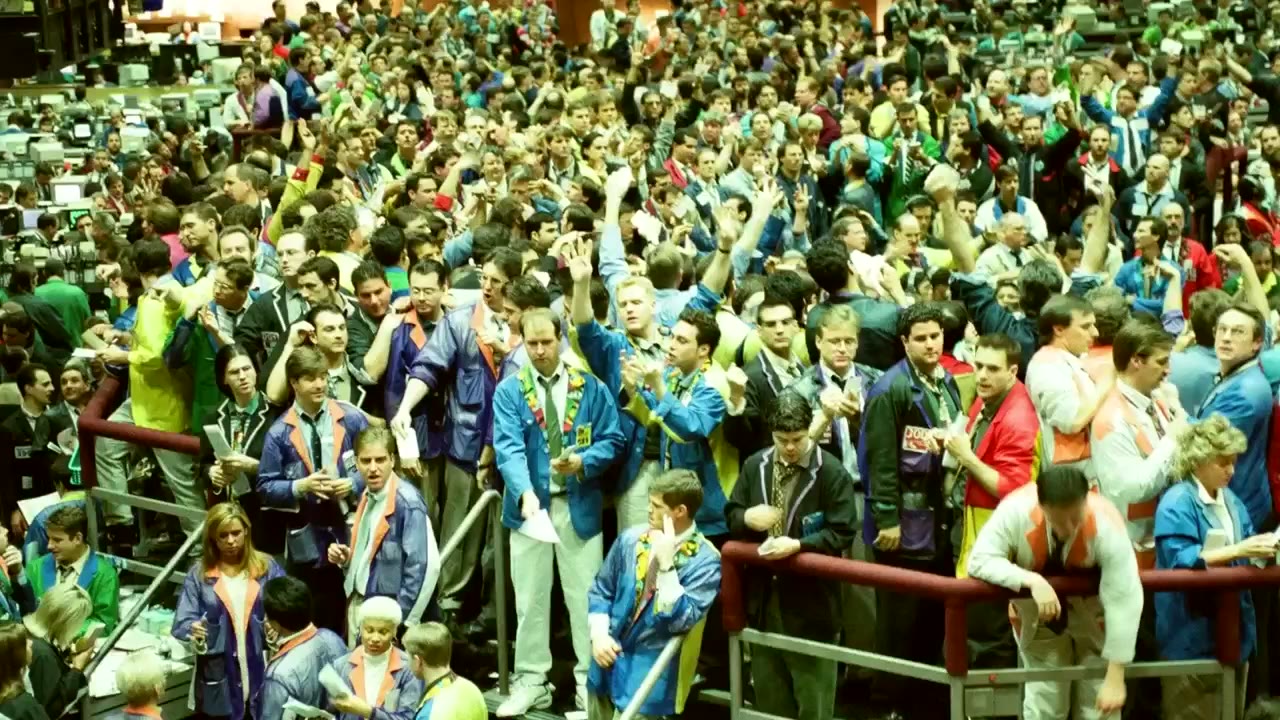
Before the computers, before the apps, before a teenager could buy a stock from their bedroom — the stock market was a room full of people shouting. Men and women in brightly colored jackets, packed into a pit, trading with their hands, their voices, and their nerve. This is the story of the trading floor.
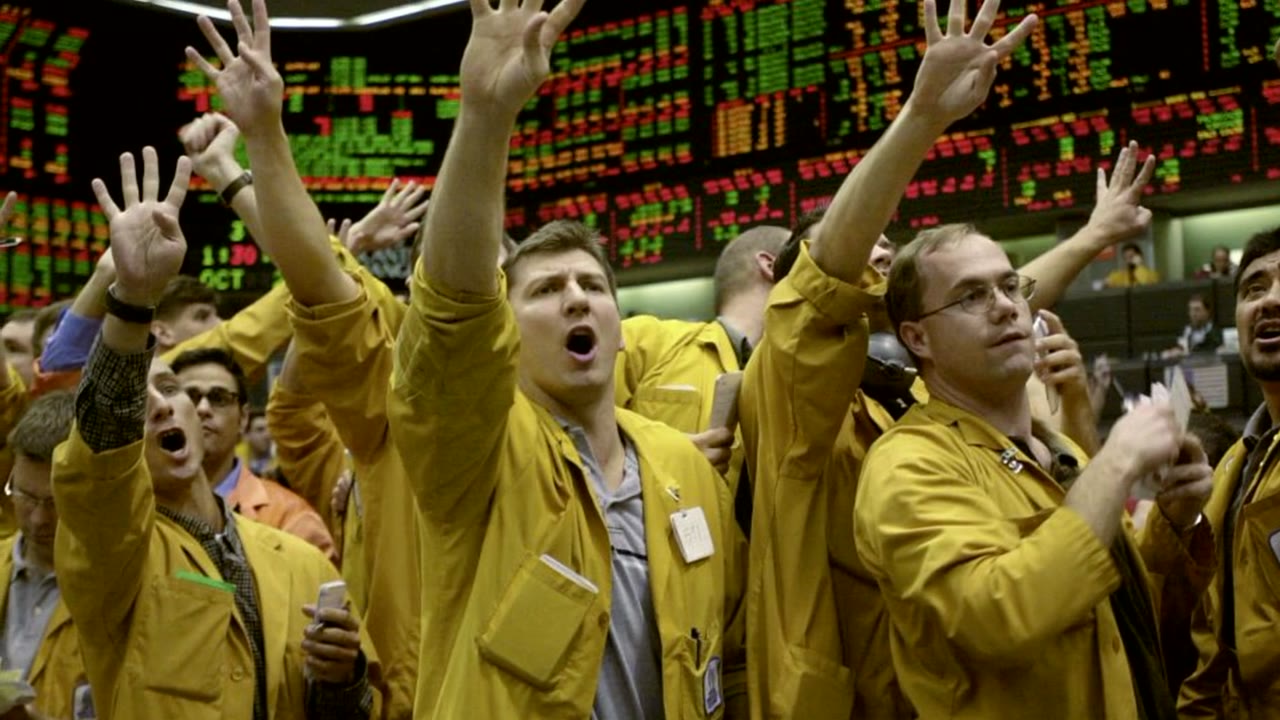
The pit
For more than a century, this is how stocks changed hands. Open outcry: traders stood in an octagonal pit and yelled their bids, flashing hand signals across the room. A trade that took seconds was a contest of lung power and reflexes. Fortunes were won and lost on a shout.
The roar
On a busy day the floor was deafening — ten thousand shouting people, price boards clattering overhead, paper tickets flying. It looked like chaos, but it was a machine: every shout was a price, every hand signal a contract. The noise was the sound of capitalism working at full volume.
The machine enters the building
Later that same century, something arrived that made no noise at all: the computer. Electronic trading was faster than any human could shout, and cheaper than any floor could run. The floor was roaring, but the machine had entered the building — and it never left.
The floor empties
One by one the pits went quiet. The jackets hang empty; the hand signals have no one left to read them. Trading moved into servers and code — millions of trades per second, from anywhere on earth. What once took a shouting crowd now happens in silence.
The screen is democratic
The pit was exclusive — a velvet rope, a front step to fight for. The screen is democratic: open to anyone with a phone. The trade the world made, in servers, in code — open to everyone. The pit is silent now. The market never will be.