
Video Library
The History of the Stock Market — Tulips, Crashes, and Comebacks
Four hundred years of market history — from Dutch tulip mania and the 1929 crash to the Buttonwood Agreement and the modern trading floor. The market always learns.
2026-09-27 · 6 min read · Invest Money
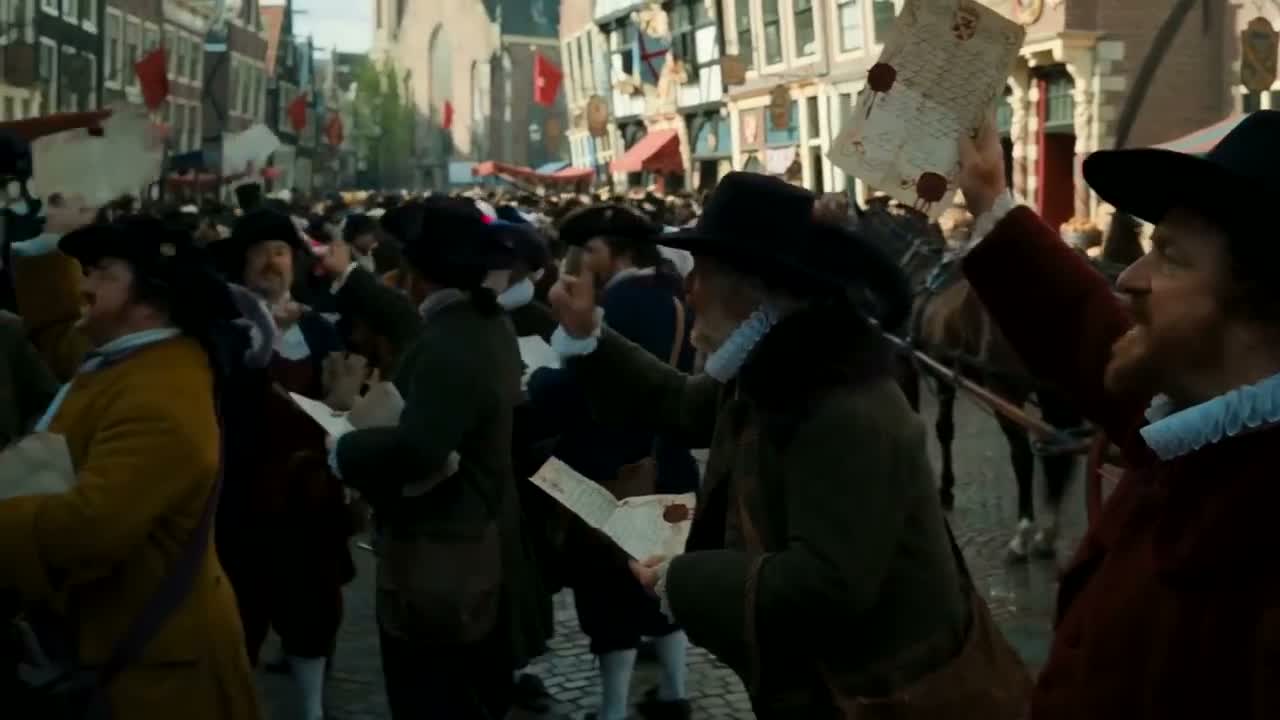
Four hundred years ago, a single ship sailing to Asia could make its owners rich beyond dreaming — or sink, and ruin them completely. Then a group of Dutch merchants invented a way for ordinary people to own a piece of the voyage. That invention became the stock market.
Amsterdam, 1602
In 1602, Dutch merchants created the Dutch East India Company and split it into little pieces — shares. Anyone with savings could buy a piece. If the voyages succeeded, every shareholder got a cut. If a ship sank, no single person was ruined. The company paid its owners for nearly two hundred years — sometimes in money, sometimes literally in bags of spices. Imagine your investment paying you in cinnamon.
Then something unexpected happened: people started trading those pieces with each other, and the Amsterdam Stock Exchange — the first stock market in history — sprang up. For the first time ever, ordinary people could buy and sell ownership in a business any day they wanted.
The first bubbles
The warning came early. In the 1630s, Holland went crazy for tulips — rare bulbs sold for the price of houses — until one day in 1637 the market collapsed overnight. Britain learned the same lesson in 1720 with the South Sea Company, a firm with grand promises and almost no real business. Hype, it turns out, is the oldest trap in the market.
A handshake under a tree
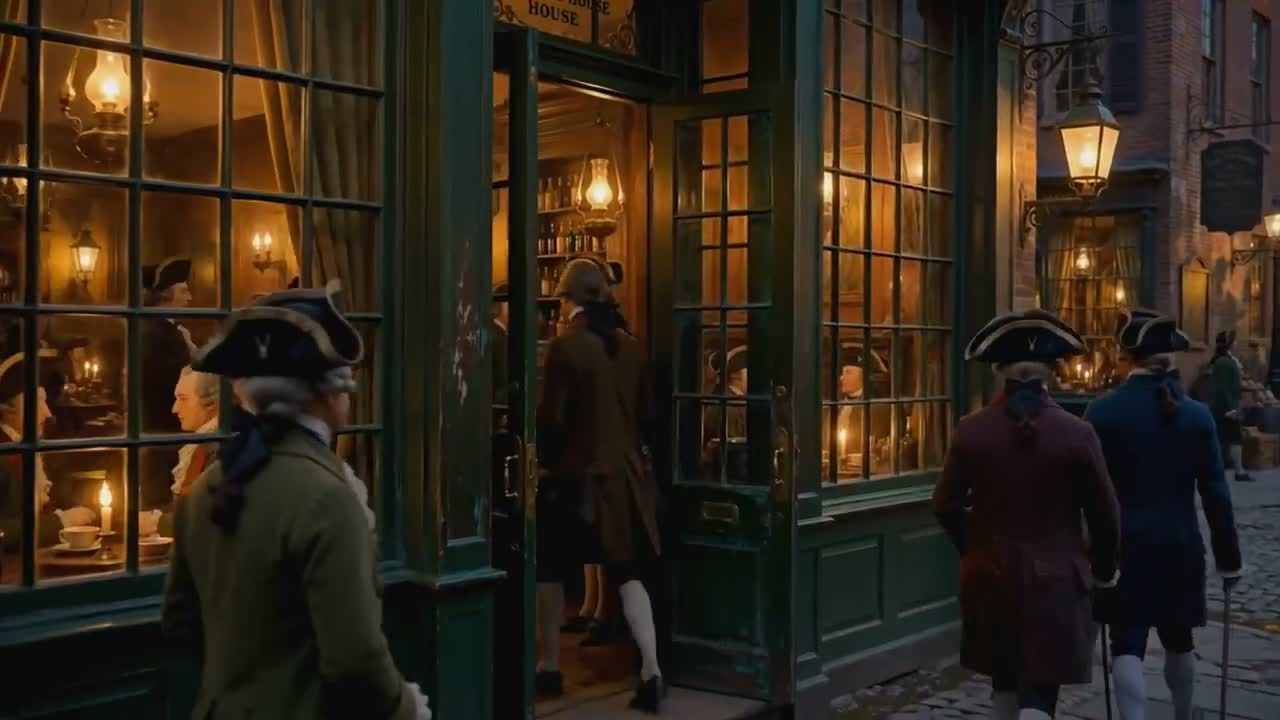
Across the ocean, merchants on Wall Street — then just a short dirt road — were trading shares under the trees. On May 17, 1792, twenty-four brokers met under a buttonwood tree and signed a simple agreement: only trade with each other, charge honest commissions, play fair. That handshake became the New York Stock Exchange.
The engine of a nation — and its crashes
Railroads, steel mills, oil companies, car factories — every pillar of the industrial age was funded by ordinary people's savings pooled through the market. But bubbles kept forming. The crash of 1929 collapsed prices, failed banks, and brought the Great Depression. America answered with a referee: the SEC, created in 1934 to punish fraud and protect everyday investors.
The people's market
In the late twentieth century, retirement plans like the 401(k) turned millions of ordinary workers into investors. Then computers took over — the shouting trading floors faded, electronic trading arrived, and today a teenager can buy a piece of a company in ten seconds, commission-free, from their bedroom. In 1987 the machines taught us a new lesson when computer-driven selling crashed the market over twenty percent in one day — and the answer was circuit breakers: automatic pauses so humans can breathe.
The market learns
The stock market took the savings of ordinary people and turned them into ships, railroads, steel, electricity, computers — the entire modern world. Every crash taught a lesson, and each lesson made the system stronger. The market learns. It always learns.